
Updated: Mar 20
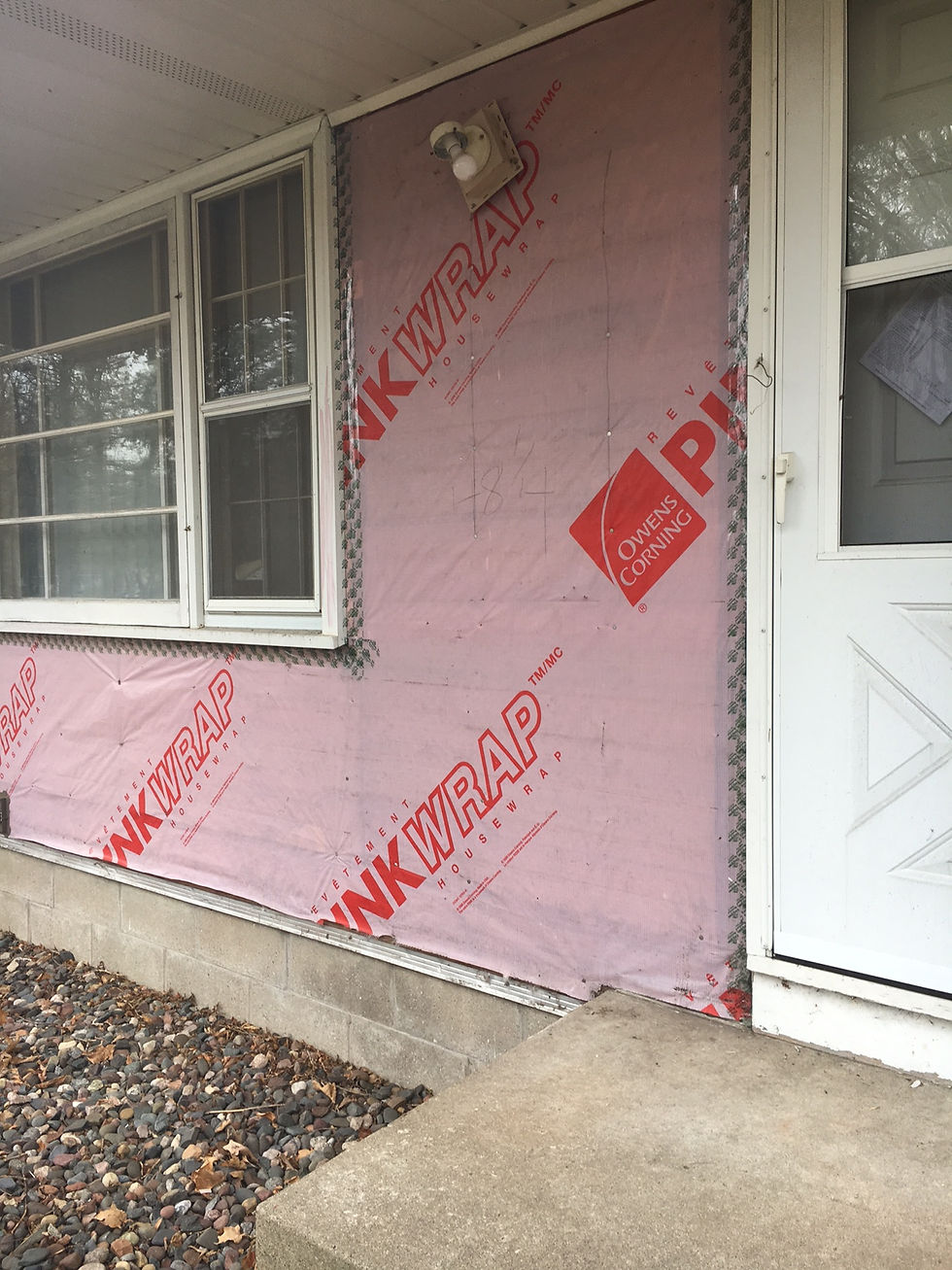
A building envelope is the packaging around a structure of energy efficiency. Every building has an envelope. It’s energy efficiency is measured by an R-value and it measures heat-flow resistance and energy efficiency: R=D/K R-value = d: thickness of the material / k: thermal conductivity of the material.
Case study: The Bloomington Ice Garden (it’s not a garden, it’s an ice rink) holds great value for the community. In addition to open skate and ice-skating lessons where everyone can enjoy this niche recreation, it hosts international figure skater training and performances, national and international events, and year-round hockey leagues: that’s 10,000 hours of ice time annually, dozens of tournaments, and half a million people every year.
Obviously, I am a fan of this facility and as a former Sustainability Commissioner I jumped at the opportunity to learn about the $37 million-dollar ice rink renovation, I learned how staff worked to make the most of the existing facility. However, the 1970s structure relied on outdated technology and if Rink One experienced a major failure it could not have been repaired because the refrigerant used in the ice system is no longer manufactured. The building ultimately required intensive maintenance, with separate energy and refrigeration systems for each rink, complicating methods to keep the aging systems operational.
The rink was closed during the renovation, and when it reopened, there were minimal visual changes. The most expensive improvements were technological upgrades.
Now, the three rinks in the building have one refrigeration unit making the maintenance of all three rinks manageable and efficient.
The updated refrigeration unit also redistributes both warm and cool air to areas where they are wanted. The lighting system has been replaced with high-efficiency LED lighting.
Simpler improvements are in the building envelope: energy-efficient doors and glazing, sealing air, updated walls, and a new roof.
These sustainability upgrades don’t require a $37 million dollar project. Improvements like efficient lighting, improved insulation, air sealing, and heat pump water heaters can reduce operating costs immediately while increasing the comfort and durability of your home.
Interested in more?


Comments